Velodyssey- French Atlantic Coast (France-Europe)

Velodyssey's stunning path up the French Coast

Overview

  • La Vélodyssée is a long-distance cycling route running along the French Atlantic coast from Roscoff (in Brittany) to Hendaye (on the Spanish border) — roughly 1,200 km in all.

  • It is the French segment of the broader EuroVelo 1 — the “Atlantic Coast Route.”

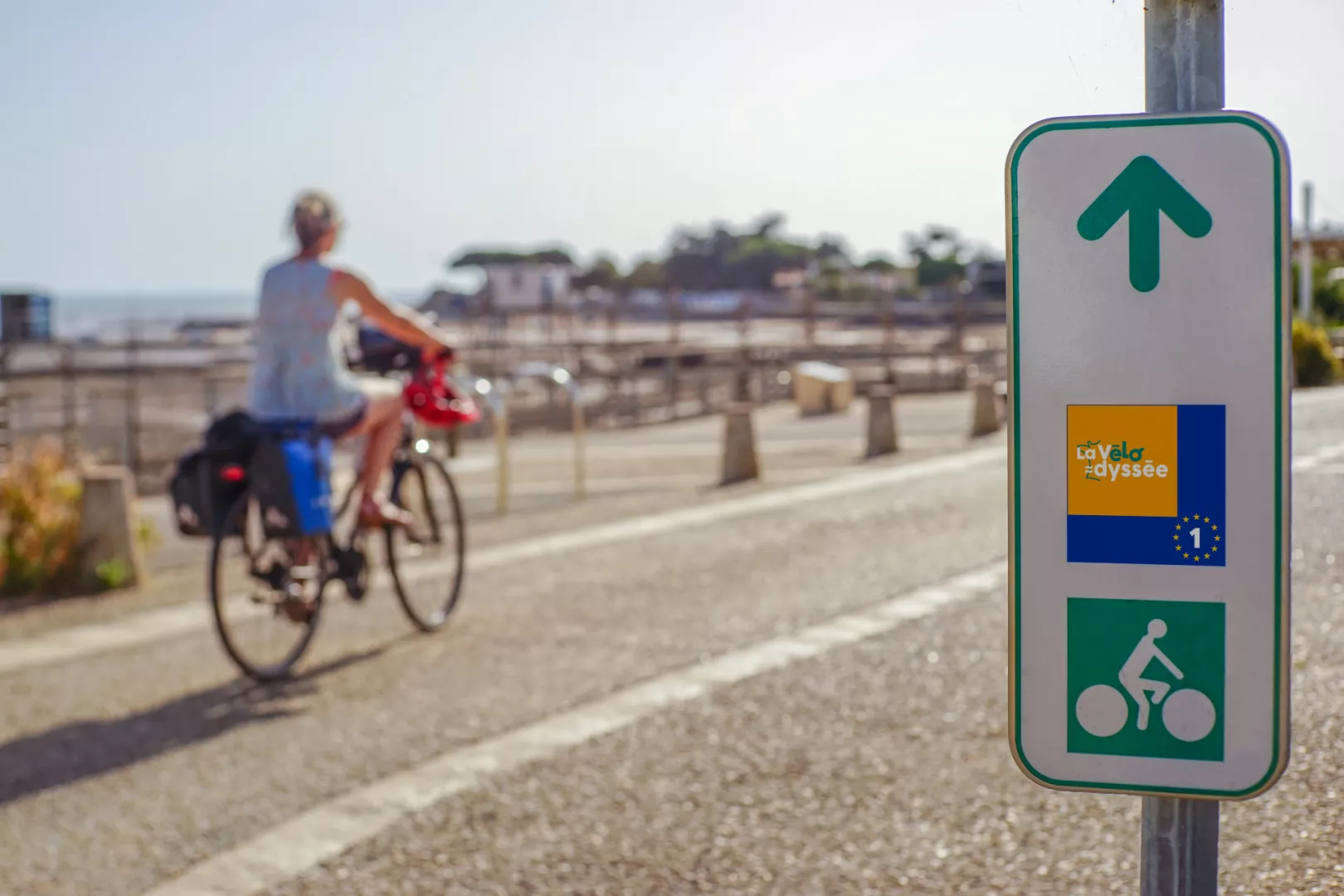
  • The route is fully way-marked and maintained. About 90% of it runs on traffic-free greenways or very quiet roads, making it much safer and more accessible than typical road cycling.  However there are some shared sections with vehicles which can be tricky, hence the Difficulty level.

  • Please Note:  Public transit in France is amazing, so there are several opportunities to bypass those tricky sections.

What Makes It Special

  • La Vélodyssée offers a “slow travel” vibe — you can pedal at your own pace, stop at beaches, villages, forests, lighthouses, oyster ports, and enjoy local cuisine and culture.

  • Because it’s largely off-road and well-signposted, it’s approachable even for those who aren’t seasoned touring cyclists — a great option for a first long-distance bike journey.

  • The route connects multiple regions (Brittany, Pays de la Loire, Nouvelle-Aquitaine) and many charming towns and landscapes, giving a rich cross-section of coastal France in a single ride.

What You’ll See & Experience

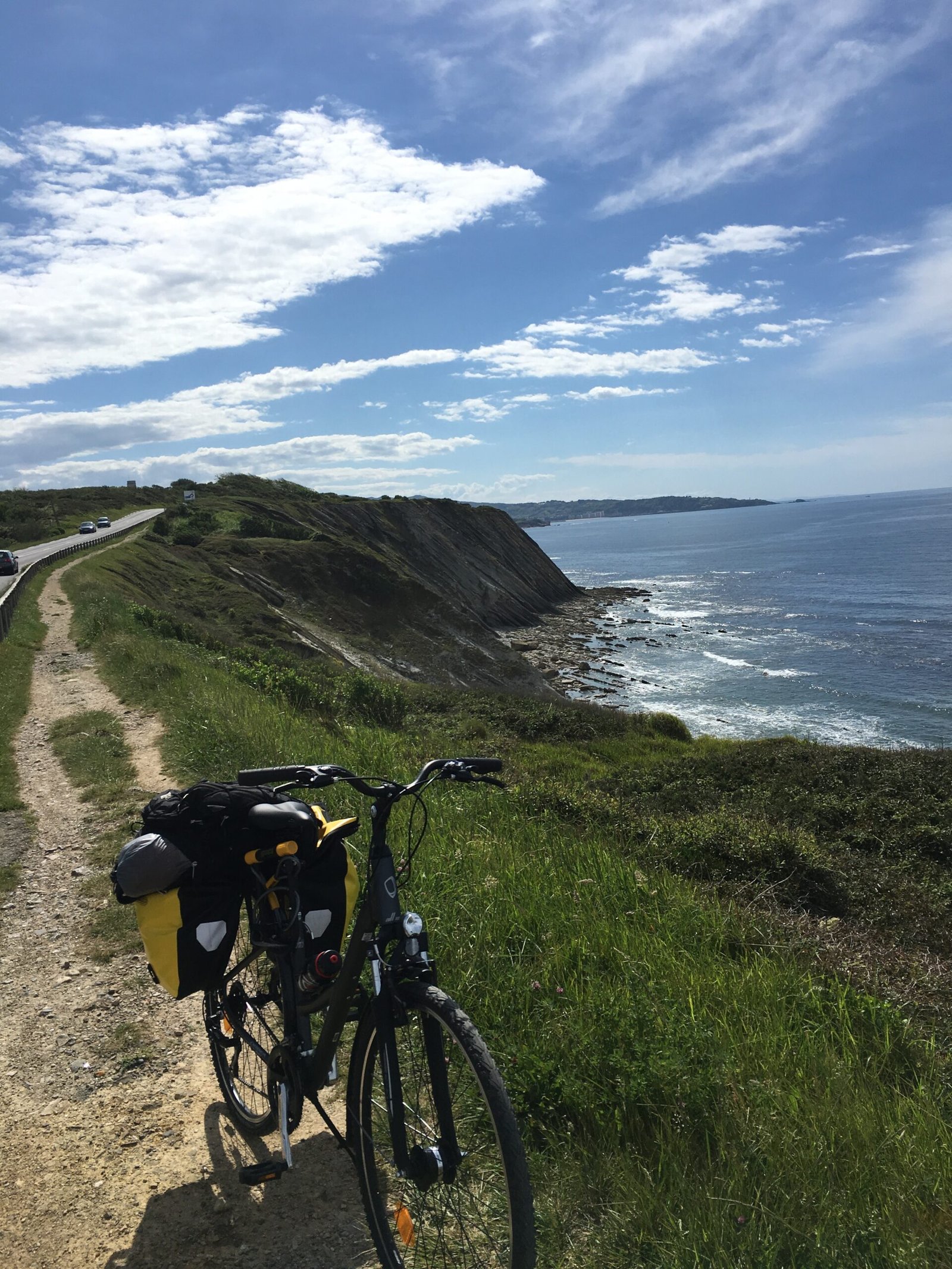
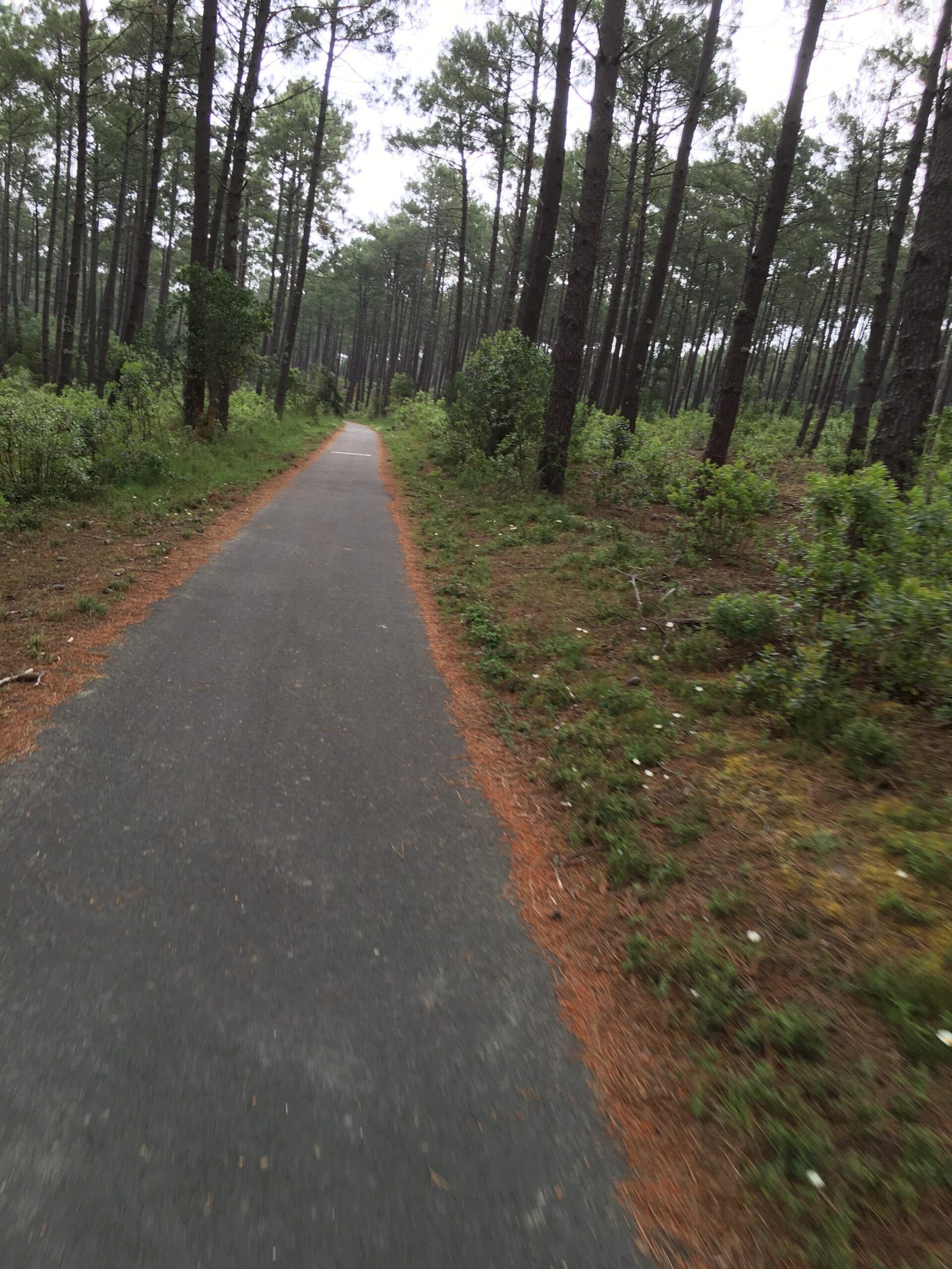
  • The path traverses diverse landscapes: from canals and marshes in Brittany, to coastal beaches, dune systems, pine forests, seaside resorts, salt-marshes, and eventually the dramatic Basque-Country coastline.

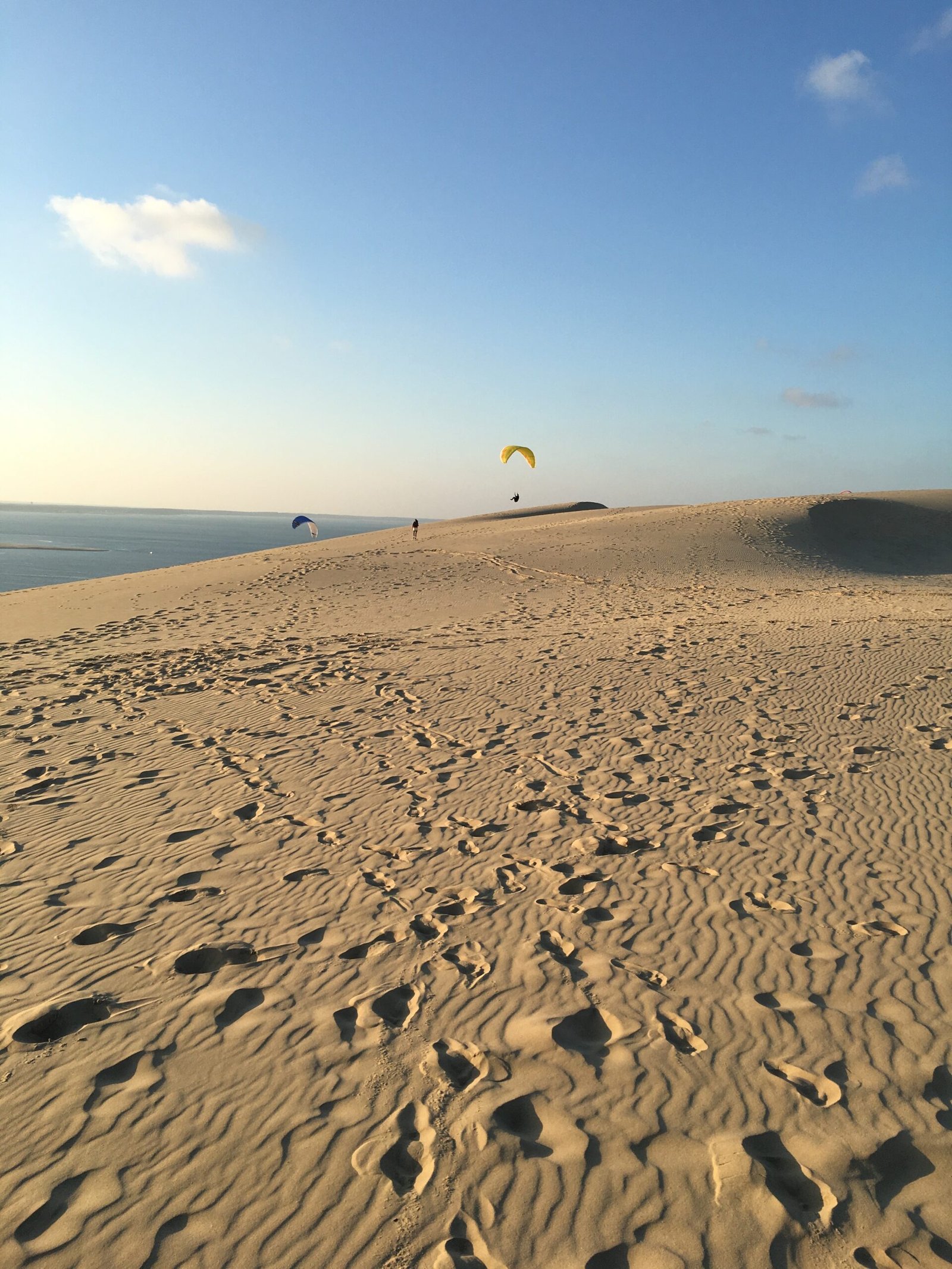
  • Key highlights along the route include former canals (like the section around the Nantes-Brest Canal), pine-forest greenways, Atlantic beaches, seaside towns, oyster-harvesting regions, and coastal dunes such as the famous Dune du Pilat, Europe’s tallest dune.

  • Riders can expect a mostly gentle terrain, suitable for touring bikes, hybrids, or e-bikes, and ideal for families, beginners, or experienced cyclists alike.

Interactive map showing the complete route. Green marker indicates start point, red marker shows the end point.

Local Businesses

Food/Drink
Suggest Local Businesses
Lodging
Suggest Local Businesses
Resources
Suggest Local Businesses

Notable Sites + Highlights

  • Les Landes - This is a large region on the southern portion of the route which is known for it's endless pine forests.
  • Lacanau & Atlantic Coast Lakes – Popular beach town and freshwater lakes just inland
  • Dune du Pilat - The COOLEST site along the route.  It is the tallest sand dune in Europe which seemingly materializes out of nowhere!  There is plenty of camping along the dune and the perfect place to enjoy a good sunset while watching the paragliders.
  • Cordouan Lighthouse (Gironde Estuary) - built between 1584 and 1611 at the Gironde Estuary's mouth, is the oldest active lighthouse in France and a UNESCO World Heritage site.
  • Île de Ré (Rochelle) – Iconic island off the coast with a TON of cycling paths.  This is a detour but highly recommended if you have extra time to kill.
  • Passage du Gois (Noirmoutier) – Famous tidal walkway (Technical term is causeway) which is only appears during the low tide.

Logistics

Transportation To and From

  • To Start: San Sebastian is a major city so there are numerous options to arrive there via Train, Bus or Plane. Plan to spend a day or 2 exploring this AMAZING city!  The food is awesome, scenery is unbeatable and architecture will leave you speechless.
    • Recommendation: Even though the route starts in San Sebastian, I would highly recommend you start close to Biarritz, France.  The reason being is that this section of the route, while very gorgeous is also the trickiest in terms of road conditions.  Windy roads with very little shoulder and some fast moving traffic. There is a local commuter train that runs parallel to the bike route and is very easy to bypass this section.
  • To Finish: Roscoff, France is a much smaller town but there is a local train which takes you to a bigger station in Morlaix.  From here, the rest of Europe is at your fingertips with it's amazing rail system.
  • From Finish to Start: As mentioned above, Roscoff is connected to a local rail line which eventually allows you to connect to the larger rail system.
  • Bail points in between: There are several portions within the route that you can either exit the route or bypass certain sections.
  • Border Crossing: There is a border crossing between Spain and France but they typically don't check passports.  That being said, geopolitics change quickly so I would always recommend having documentation handy.

Recommended Gear

  • Bike: Any bike should suffice for this trail as it is predominantly on asphalt.
  • Clothing: This is a long route, so chances are you will see a few weather patterns.
    • Plan on rain gear (Even if just a cheapo pancho)
    • Plan on warm clothing.  Even in the summer it can get chilly with the ocean breeze.  Especially if you plan on camping, the nights do get chilly.
  • Safety: Be visible; either with lights or reflective gear, especially on shared roads.  Also, having lights will be very useful when camping!
  • Camping: Highly recommend you carry camping gear on this trip.  Not only does it save money, but there a ton of camping options ranging from high end sites to bare-bones.  In addition, this route in France does allow wild-camping (Just make sure to check the local laws and any signage).
  • Tools: Multi-tool, spare tubes, patch kit, pump.
  • Charging Outlet: If traveling from somewhere outside Europe, make sure you have a power adapter.

Navigation

  • Signage: This route does have signage throughout.  You will pass thru several small towns and have to take many small turns to get back on the route.  For the most part there is signage telling you where to go, but don't be surprised if you need to pull out your iPhone to check the route.
  • Highly recommend the External Resources listed here.

Resources Along the Way

  • Lodging: The lodging is what makes this route so great for people of all levels.  There are sooo many options ranging from fancy hotels to bnb's, to hostels and basic hotels.  The beauty is that, except for the fancy hotels, most lodging options will run you under $60.
    • For this route in particular, if you are capable, I highly recommend you partake in some camping.  Not only is it affordable and plentiful, it really does make you appreciate the fact that everything you need to survive can literally fit on a measly 30lb bike!
  • Food & Water: You will rarely have any significant stretches without access to food and water.
  • Cell Signal: No issues with cell signal. Just ensure your carrier can handle international data and calls.

Tips

  • Best Seasons: Spring through late fall (March–November) for best weather and road conditions.  In Europe, July + August can get busy so you may need to plan lodging options ahead.
  • Emergency Number (France): 112 (+33 country code).
  • Emergency Number (Spain): 112 (+34 country code).

Important Warnings

Between San Sebastian, Spain and Biarritz, France - If you can avoid this section! There is almost no shoulder and fast moving traffic on windy roads. Fortunately, there is a local train line that runs parallel to the route so I would recommend bypassing this section with the train.

Route Details

Distance(Miles)

800 mi

Duration

9+ Days

Elevation(ft)

5700

Countries

Spain, France

Start/End Points

San Sebastien, Spain -> Roscoff, France

Route Format

Point to Point

Bike Lane Types

Bike Path
80%
Separated Bike Lane
10%
Shared Lane
10%

Tags

External Resources

Terms of Use: Cycling any route featured on this website is done entirely at your own risk. Before setting out, always check current route conditions, and any public or private land closures. While riding, obey all applicable laws, rules, and land-use restrictions, and ensure you carry appropriate safety and navigation equipment. The information provided on this site including route descriptions, maps,  and recommendations is intended solely as a planning and inspirational resource and should be used in conjunction with your own research, judgment, and due diligence. The accuracy, completeness, and suitability of the information, and the judgment of the author(s) cannot be guaranteed. Spokenlocal.com, its partners, affiliates, and contributors assume no responsibility or liability for personal injury, property damage, or any other incidents that may occur while riding or following any route featured on this website.