Physical Demands
- Distance – Total mileage and typical daily distances required between services.
- Elevation Gain – Total climbing, steepness of grades, and frequency of climbs.
- Altitude – High elevations can reduce endurance and increase fatigue or risk of altitude sickness.
- Road Type – Separated lanes vs. quiet roads vs. busy streets
- Road Surface – Smooth asphalt, Mud, loose gravel
Environmental Conditions
- Weather Extremes – Heat, cold, humidity, storms, or rapid weather changes.
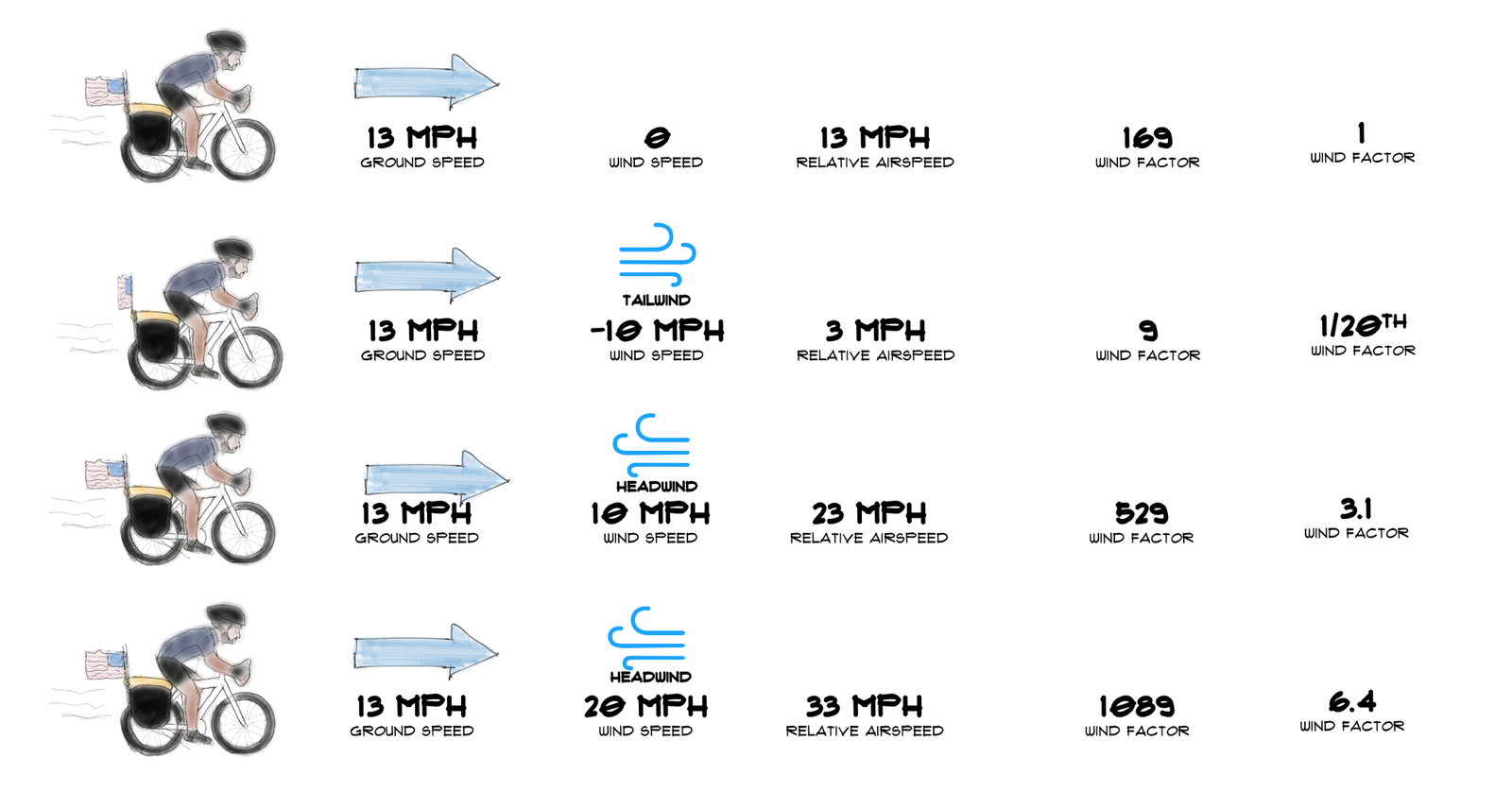
- Headwinds / Crosswinds – Persistent wind patterns that significantly slow progress.
- Wildlife or Natural Hazards
Infrastructure & Route Quality
- Navigation Complexity – Clear signage vs. complicated route finding or reliance on GPS.
- Trail Maintenance – Frequency of maintenance, erosion, overgrowth.
- Information – Resources available for the route
Logistics & Accessibility
- Transportation Access – Difficulty getting to/from/between the route
- Remoteness – Distance between towns, services, and emergency help.
- Access to Resources – Availability of food, water, bike repair, lodging, camping.
- Emergency Services – Cell coverage and proximity to medical care.
Social / Political Factors
- Political Realities – Passports, visas, border crossings, permits.
- Cultural / Language Barriers – Difficulty communicating or navigating services.
- Public Safety / Crime – Theft risk, safety in urban vs. rural areas.
- Local Regulations – Bike restrictions on roads or trails.
- Health Requirements – Vaccinations, insurance requirements, or health advisories